

AI citations: become the name the machines drop.
When someone asks an AI assistant for a recommendation in your category, the answer names two or three companies. Getting into that shortlist isn't luck — it's entity engineering: being parseable, consistent, and corroborated everywhere the models look.

How a machine decides you're worth citing
LLMs and answer engines don't browse like people. They resolve entities — is this business a real, distinct thing? — then weigh evidence: does its own site state precise, verifiable claims? Do independent sources corroborate them? Is the data about it (name, location, services, reviews) consistent everywhere it appears? Confusion kills citations; consistency compounds them.
Most businesses fail this quietly. Three name variants across directories, services described differently on every profile, claims too vague to verify, and a site whose structure machines can't confidently extract. The fix isn't a trick — it's tightening every signal until the machines stop hedging about you.
Machines don't cite the loudest brand. They cite the one they can verify.
What citation & entity building includes
Entity audit & cleanup
Every place your business is described — site, GBP, directories, socials, data aggregators — reconciled to one consistent identity machines can resolve.
Structured data architecture
Organization, Service, FAQ, and review-adjacent schema built out sitewide, so what you are and what you do is machine-stated, not machine-guessed.
Citation-worthy content
Precise, quotable claims from your real expertise — the stat, the definition, the comparison that assistants lift verbatim with your name attached.
Corroboration building
Digital PR and third-party mentions in the sources models trust — because machines, like buyers, believe what someone else says about you more.
The compounding effect
Entity work pays three times. AI assistants cite you more confidently. Google's classic systems — which run on the same entity graph — rank you more reliably. And AI Overviews draw from the trust you've built. One discipline, three surfaces.
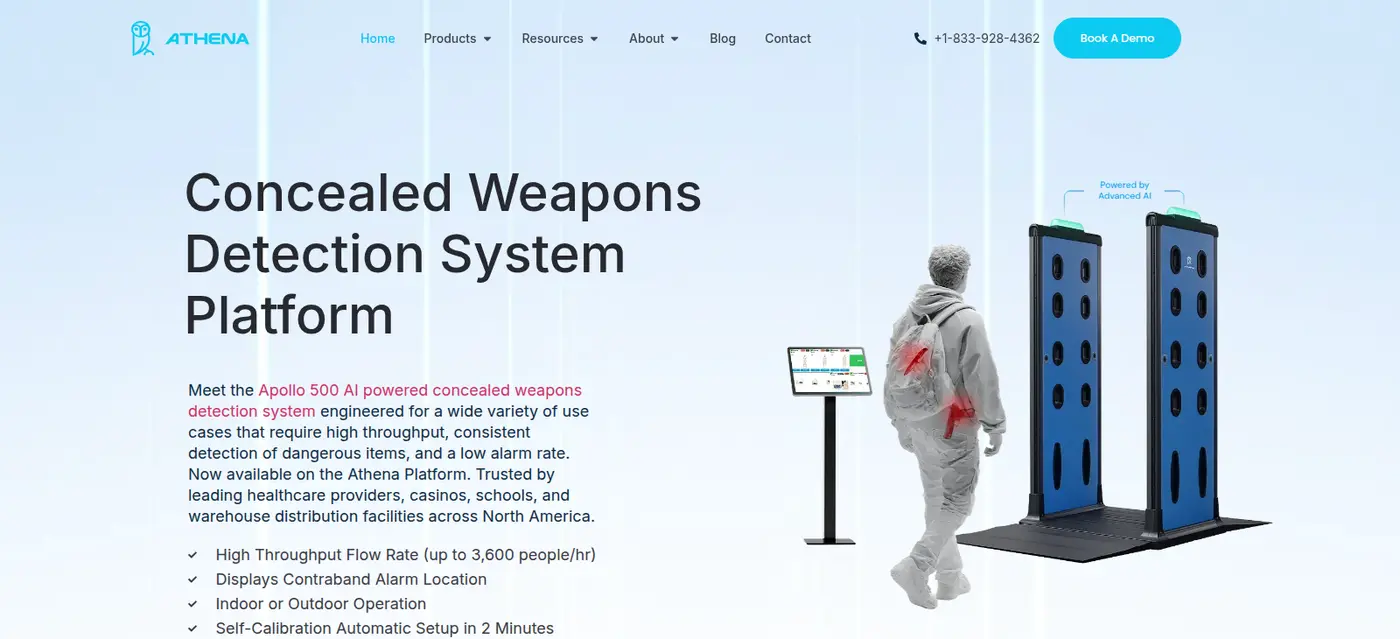
It also protects what reviews earn you: your 5.0-star profile only helps AI recommendations if the machines confidently connect it to *you*. We run this play on ourselves — 5.0 across 45 Google reviews, consistent entity data, structured everything — and it's the same system we ran inside the Athena Security engagement.
AI citations questions, answered straight
Can you get us mentioned in ChatGPT's training data?
Not directly, and nobody can — training cutoffs and data selection are opaque. But it matters less than it sounds: modern assistants answer recommendation queries with live retrieval (search under the hood), which is exactly the surface entity work targets. Content published today can be cited this quarter, not after the next training run. The durable play is being consistently verifiable wherever machines look — retrieval today, training data eventually.
How is this different from local SEO citations?
Local citations — NAP consistency across directories — are a subset of this and remain table stakes; if you need that layer, see Local SEO. Entity building goes wider: structured data stating what you do, precise claims machines can quote, third-party corroboration in trusted sources, and consistency across every surface a model retrieves from — not just the map-pack directories. Think of local citations as the address check; this is the full background check.
What makes content 'citation-worthy' to an AI?
Specificity and extractability. "We deliver great results" gets skipped; "verified good leads grew 38% on flat budget over five months" gets quoted — a real example from our Prosper case study. Assistants favor concrete claims, clean definitions, honest comparisons, and structure where the answer sits at the top of a section. It's the same content discipline that earns featured snippets and backlinks — which is why it's the rare investment that pays on every surface at once.
How long until AI assistants start naming us?
Entity cleanup and structured data show effects as re-retrieval happens — commonly six to twelve weeks for measurable movement in our prompt-panel sampling on category queries where you already have some authority. Cracking a competitive recommendation shortlist takes longer because corroboration takes longer: third-party mentions accumulate on PR timelines, not sprint timelines. The audit tells you which situation you're in before you spend.
Get a free audit, built by a strategist, not a sales rep.
Tell us your site and your goal. Within 2-3 business daysyou'll get a real plan with real numbers: what we'd do, what it costs, what it should return.
No spam, no drip sequence, no 17 follow-up calls. One proposal, from us to you.