

Email marketing: the only channel you actually own.
Every other channel charges rent. Your email list is the one audience no platform can take away, repriced, or hidden behind an algorithm change.
Google changes an algorithm and your traffic halves. Ad platforms raise prices every quarter. Social throttles your reach the moment you stop paying.
And at most companies, the list is a graveyard. Years of leads sitting in a CRM getting nothing, or getting a monthly newsletter nobody opens because every send looks like every other company's send. Meanwhile the leads you paid real money to acquire — through SEO, through ads — go cold because nobody followed up past day three.
That's the quiet math most businesses miss: the cheapest pipeline you'll ever generate is sitting in the list you already have.
Automation first. Then campaigns worth opening.
- Follow the money backward. Before writing a single campaign, we find where revenue leaks: leads that never got a follow-up sequence, quotes that expired silently, customers who bought once and never heard from you again. Automation plugs those holes and works every day without anyone touching it.
- Automated sequences that sell like your best rep. Welcome flows, lead nurture, quote follow-up, abandoned-cart recovery, win-back campaigns — each written in your voice, mapped to how your buyers actually decide, and triggered by behavior instead of a calendar.
- Campaigns and newsletters people open. Segmented, specific, and built from the same expertise-extraction that powers our content marketing. If a send could have come from any company in your industry, it doesn't go out.
- Deliverability and tracking as a foundation. Authentication (SPF, DKIM, DMARC), list hygiene, and conversion tracking wired to your CRM — the same discipline we bring to PPC. An email program that can't trace sends to revenue is a newsletter hobby.
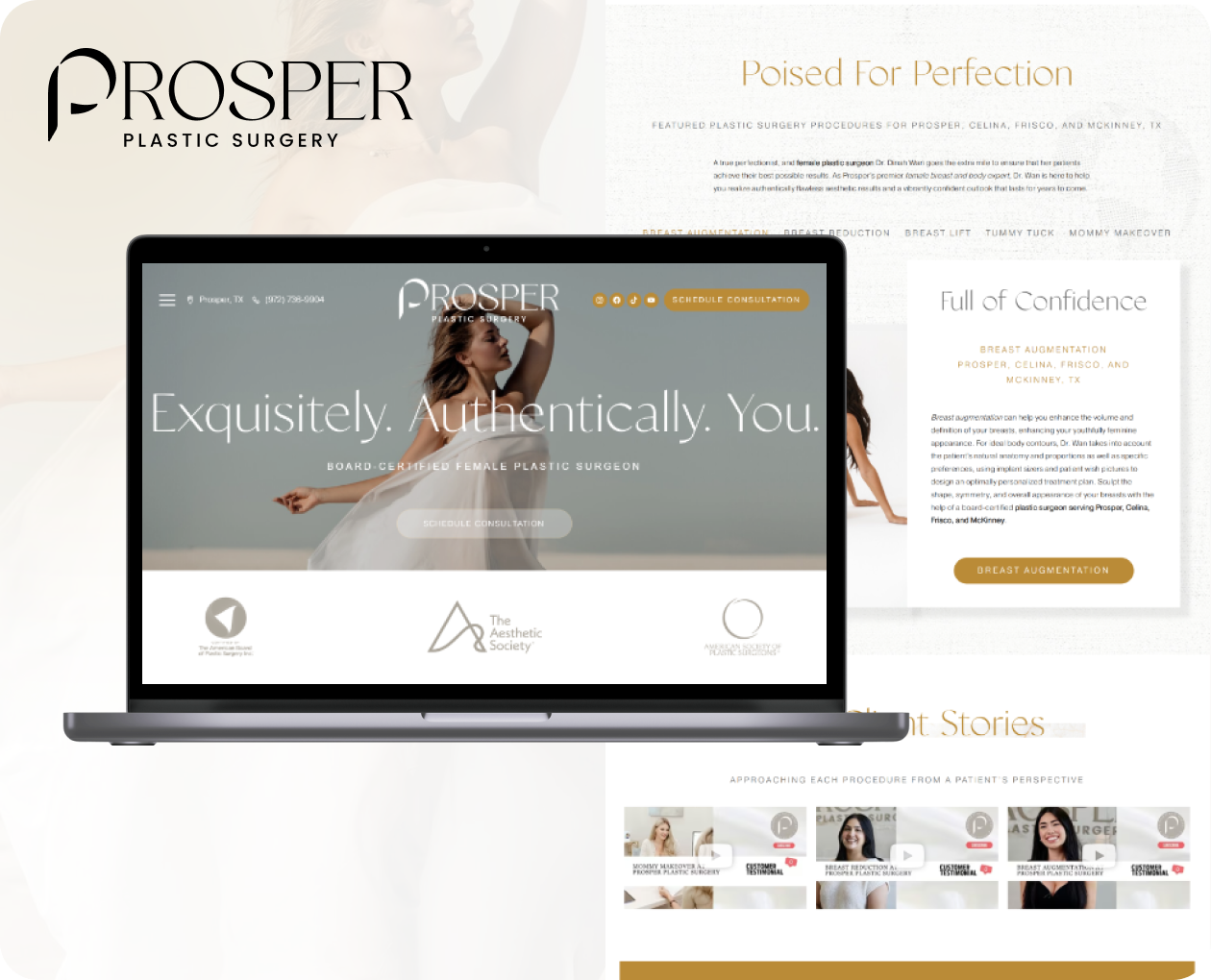
The follow-up layer behind the pipeline numbers
Email is the channel that keeps the pipeline our other work generates from leaking. When engagements like IVM's and Adkins & Sons' 10x pipeline produce a surge of leads, follow-up sequences are what carry them from inquiry to booked call — a lead that gets a fast, relevant follow-up closes at a different rate than one that waits days for a human.
And you've already sampled the product: if you've ever requested a proposal from us, the emails you got were ours. No drip-sequence spam, no 17 follow-up calls. That's the standard we build for clients.
How an email engagement runs
- 1
Audit
Your list health, deliverability, current flows, and — most important — where leads and customers currently fall through. You get a leak map with the findings.
- 2
Foundation
Authentication, list cleanup, segmentation, and CRM-connected tracking. Unsexy, and the reason everything after it works.
- 3
Automation build
The revenue-critical sequences first: lead follow-up, quote nurture, win-back. Each one drafted, approved in your voice, tested, then set live.
- 4
Campaign rhythm and optimization
Ongoing sends with per-campaign reporting: opens and clicks tracked, but revenue and booked calls headlined. Subject lines and sequences tested and improved monthly.
Pricing
Email is typically the highest-ROI line item in an engagement, because the audience is already paid for. Scope depends on list size, how many automated sequences your funnel needs, and campaign cadence. Most clients run email alongside SEO or PPC — the channels feed each other — but standalone programs exist. Your free audit shows the cost against the revenue currently leaking out of your list.
What compounding looks like
Paid stops when the budget stops; this work stacks. Illustrative shape of a healthy program — your roadmap gets real projections.
Indexed, illustrative — not a client claim.
Frequently asked questions
Is email marketing still effective?
It's routinely the highest-ROI channel a business runs, precisely because everyone declares it dead and under-invests. You own the list, delivery costs are near zero, and the audience already knows you. What died is lazy email — untargeted monthly blasts. Segmented, automated, behavior-triggered email to a clean list still prints pipeline.
What's the difference between email campaigns and email automation?
Campaigns are one-time sends you write and schedule — announcements, newsletters, promotions. Automation is sequences that fire on behavior: someone requests a quote, a follow-up series starts; a customer goes quiet, a win-back triggers. Automation does the revenue-critical work around the clock, which is why we build it first and layer campaigns on top.
How big does my email list need to be?
Smaller than you'd guess. A few hundred genuine leads and customers can produce real revenue if the segmentation and follow-up are right — a clean list of 500 buyers beats 50,000 scraped addresses that torch your sender reputation. We never buy lists. We'll also build capture into your site so the list grows from your own traffic.
How many emails should I send without annoying people?
Frequency isn't what annoys people — irrelevance is. A well-segmented list can hear from you weekly and stay engaged; a lazy blast annoys at any frequency. We set cadence by segment, watch engagement and unsubscribes send-by-send, and adjust. If a segment stops responding, we change the message before we change the schedule.
Which email platforms do you work with?
The major ones — Klaviyo, Mailchimp, HubSpot, ActiveCampaign, and others — and we're deliberately platform-agnostic. The strategy, segmentation, and copy matter far more than the tool. We'll recommend a platform if yours is fighting you, but we won't force a migration to fit our workflow.
Get a free audit, built by a strategist, not a sales rep.
Tell us your site and your goal. Within 2-3 business daysyou'll get a real plan with real numbers: what we'd do, what it costs, what it should return.
No spam, no drip sequence, no 17 follow-up calls. One proposal, from us to you.